1
Gather your documents
Driver’s license, VIN, current declarations page, and driving history.
Florida’s insurance market is shifting in your favor for the first time in nearly a decade. Here’s how to capture every dollar of savings available to you right now.


If a medical professional does not classify your injury as an “emergency medical condition,” your available PIP benefit may be capped at $2,500 — not the full $10,000. Many drivers supplement PIP with Medical Payments (MedPay) to close this gap. Ask us about it.
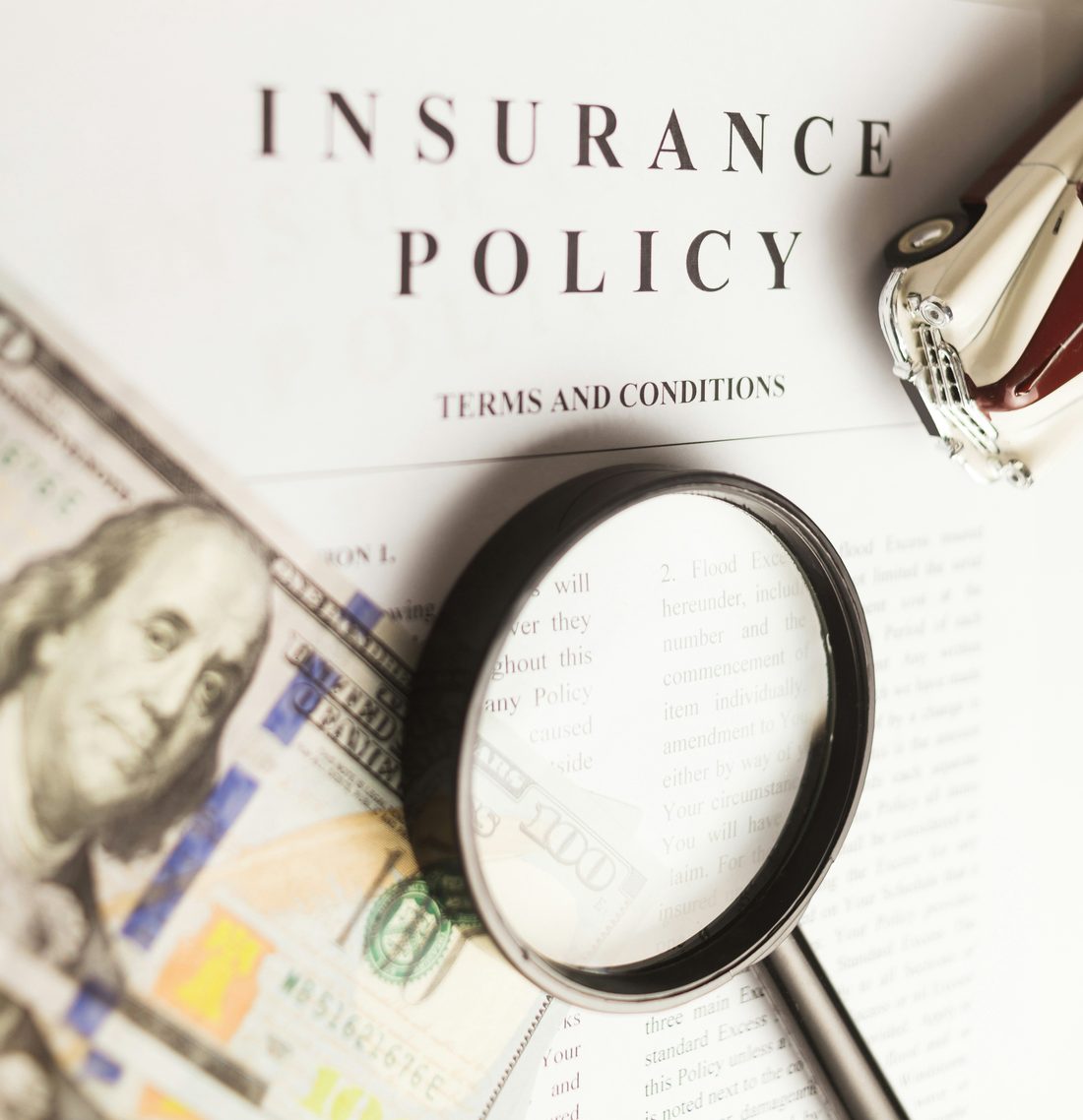
The lowest premium and the best coverage aren’t always the same policy — read the coverage, not just the price.
Florida consistently ranks among the most expensive states for auto coverage — and it’s not random. Three structural factors drive costs up for every driver on the road.
First, the state’s “no-fault” PIP system historically generated outsized litigation costs passed directly to policyholders. Second, Florida has one of the highest uninsured motorist rates in the country, meaning insured drivers effectively subsidize the risk of everyone else on the road. Third, the constant threat of hurricane-related flood and wind damage requires carriers to hold larger capital reserves, inflating the baseline cost of every policy written here.
That said, the tide is turning — and meaningfully so.
Florida's auto insurance market has become more competitive following recent legal reforms and increased carrier participation. While rates still vary significantly by driver, vehicle, location, and coverage selections, many consumers are finding more competitive pricing than they did just a few years ago.
The biggest takeaway is that shopping around matters more than ever. The carrier that offered the best rate last year may not be the most competitive option today.
Finding the best quote isn't just about finding the lowest price. Drivers should compare coverage limits, deductibles, available discounts, and carrier reputation before making a decision. Two policies may have dramatically different levels of protection even when the monthly premium looks similar.
The most effective approach is to gather accurate information, compare multiple carriers, review identical coverage levels, and re-shop your policy regularly.
Driver’s license, VIN, current declarations page, and driving history.
The fastest way is through our secure Canopy Connect portal — it pulls your existing policy details instantly so we can start shopping without a lengthy intake form.
As an independent broker, we shop 50+ carriers simultaneously — no forms to fill out three times over.
A lower number that reflects reduced coverage isn’t savings — it’s exposure.
Before finalizing, multi-car, accident-free, and bundling are the three highest-value programs available right now.
Re-shop every 12 months, or after any major life event — new address, new vehicle, or a new driver on the policy.
Florida’s minimums exist to keep your registration active — not to protect your assets. In a state with some of the highest uninsured motorist rates in the country and repair costs that can easily exceed $10,000, the gap between what the law requires and what you actually need is significant.
While every driver's situation is different, many Florida drivers choose to carry higher liability limits, uninsured/underinsured motorist coverage, comprehensive coverage, and collision coverage when appropriate. These coverages can help provide additional financial protection against accidents, vehicle damage, severe weather, and uninsured drivers.
Drivers with significant savings, home ownership, or other assets should strongly consider higher Bodily Injury Liability limits to better protect themselves from potential lawsuits and out-of-pocket expenses following a serious accident.
| Coverage Type | Florida Minimum vs Recommended Coverage |
|---|---|
| Personal Injury Protection (PIP) | $10,000 → $10,000 (required) |
| Property Damage Liability (PDL) | $10,000 → Many drivers choose $50,000–$100,000 |
| Bodily Injury Liability (BIL) | Not required → Many drivers choose $100K / $300K |
| Uninsured Motorist (UM) | Optional → Match your BIL limits |
| Collision | Optional → Recommended if vehicle exceeds $10,000 |
| Comprehensive | Optional → Recommended — covers hurricane & flood |
As of 2026, Florida still requires $10,000 in Personal Injury Protection and $10,000 in Property Damage Liability for all registered four-wheeled vehicles. Failing to maintain both results in suspension of your driver’s license and registration.
Florida lawmakers have periodically considered changes to the state's no-fault insurance system. While Florida currently requires Personal Injury Protection (PIP), future legislative changes could affect required coverages and minimum insurance limits.
Drivers should review their policies regularly and stay informed about any changes that could impact their insurance requirements.
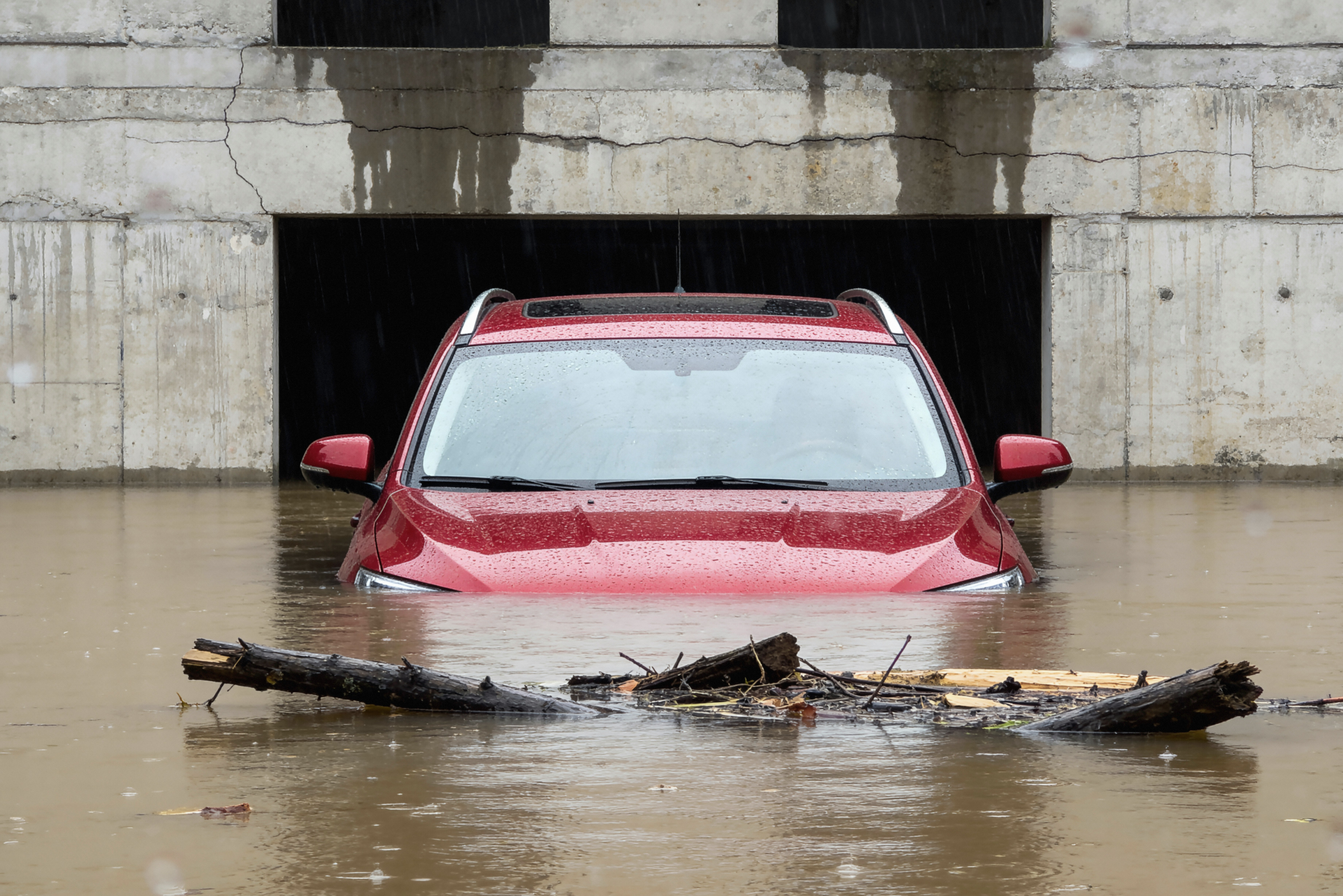
One Florida storm can erase years of savings. Comprehensive coverage helps protect your vehicle from flood, hurricane, and weather-related damage.
In a more competitive market, carriers continue to compete aggressively for drivers with strong insurance and driving histories.
| Discount Type & Qualifications | Availability / Notes |
|---|---|
| Multi-car → Two or more vehicles on the same policy | Available with many carriers |
| Accident-free → No at-fault accidents in 3–5 years | Available for qualifying drivers |
| Clean driving record → No moving violations in the past 3 years | Common carrier discount |
| Bundle & save → Auto + home or renters with the same carrier | May reduce overall premium |
| Good student → Full-time student with 3.0 GPA or higher | Available for eligible students |
| Defensive driving → State-approved course; mandatory discount for drivers 55+ under Florida law | May qualify approved course |
Most Florida drivers only compare one insurance company at a time. Independent insurance brokers work differently. Instead of representing a single carrier, we compare multiple insurance companies simultaneously to find the best combination of price, coverage, and available discounts.
Because carriers regularly adjust rates, the company offering the lowest premium today may not be the same company offering the best value six months from now. Access to multiple carriers helps drivers stay competitive without sacrificing protection.
At Stay Blessed Insurance, we compare multiple insurance carriers on your behalf, helping you uncover coverage options, pricing differences, and potential savings opportunities that can be difficult to find when shopping with a single company alone.
In a word: no. The average vehicle repair in Florida now frequently exceeds $10,000, meaning one moderate accident can exhaust your minimum Property Damage Liability entirely. Increasing Property Damage Liability limits is often one of the more affordable coverage upgrades available, though costs vary based on factors such as driving history, vehicle type, location, and insurance carrier.
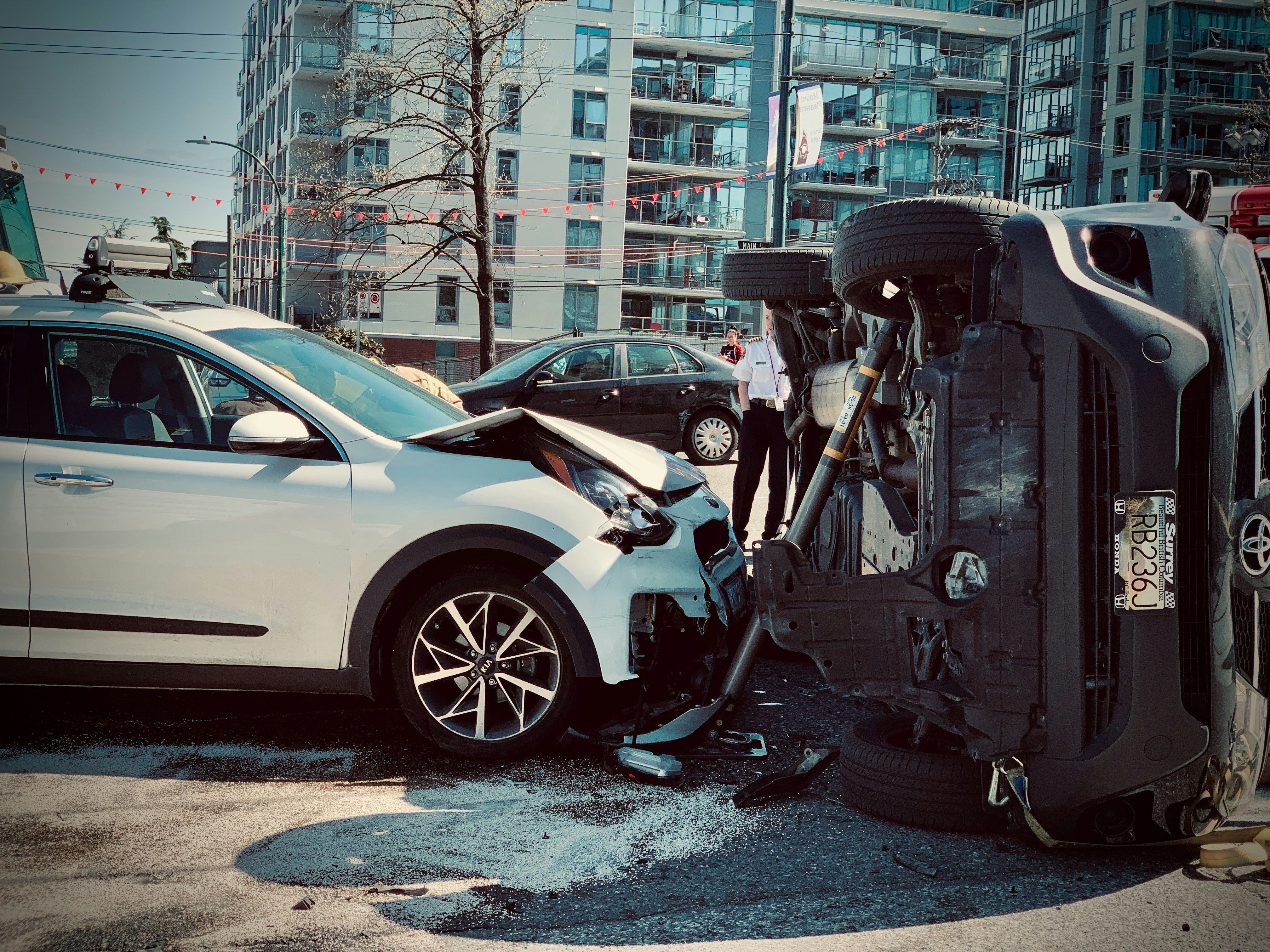
One moderate accident can exhaust Florida's $10,000 Property Damage Liability minimum
Yes. A police report creates an official record that can be essential if injuries or damage appear later. Many states legally require reporting when damage exceeds a certain threshold. If officers don’t respond, file at your local station or online.
Most policies require notification within 24 to 72 hours. Contact your insurer as soon as possible — delays create coverage complications regardless of policy language.
File a police report, document the scene thoroughly, and contact your own insurer to activate uninsured motorist coverage. Approximately 1 in 7 U.S. drivers is uninsured, so this is more common than most people expect.
In Florida, yes — as long as your share of fault does not exceed 50%. If you are 50% or less at fault, you can still recover compensation, but the amount is reduced in proportion to your share of responsibility.
Delayed-onset injuries are extremely common after crashes — especially whiplash, back pain, and soft tissue damage. Seek medical attention immediately, notify your insurer, and make sure your doctor documents the connection to the accident.
We shop 50+ carriers at once, so you don’t have to fill out the same form a dozen times. About two minutes. No obligation.
Get My Free Auto Quote → ☎ (407) 842-7100Disclaimer: This blog is for informational purposes only and does not constitute legal or insurance advice. Statistics are sourced from the National Highway Traffic Safety Administration (NHTSA) and other publicly available government and research databases. Readers should consult a licensed attorney or insurance professional for guidance specific to their circumstances.